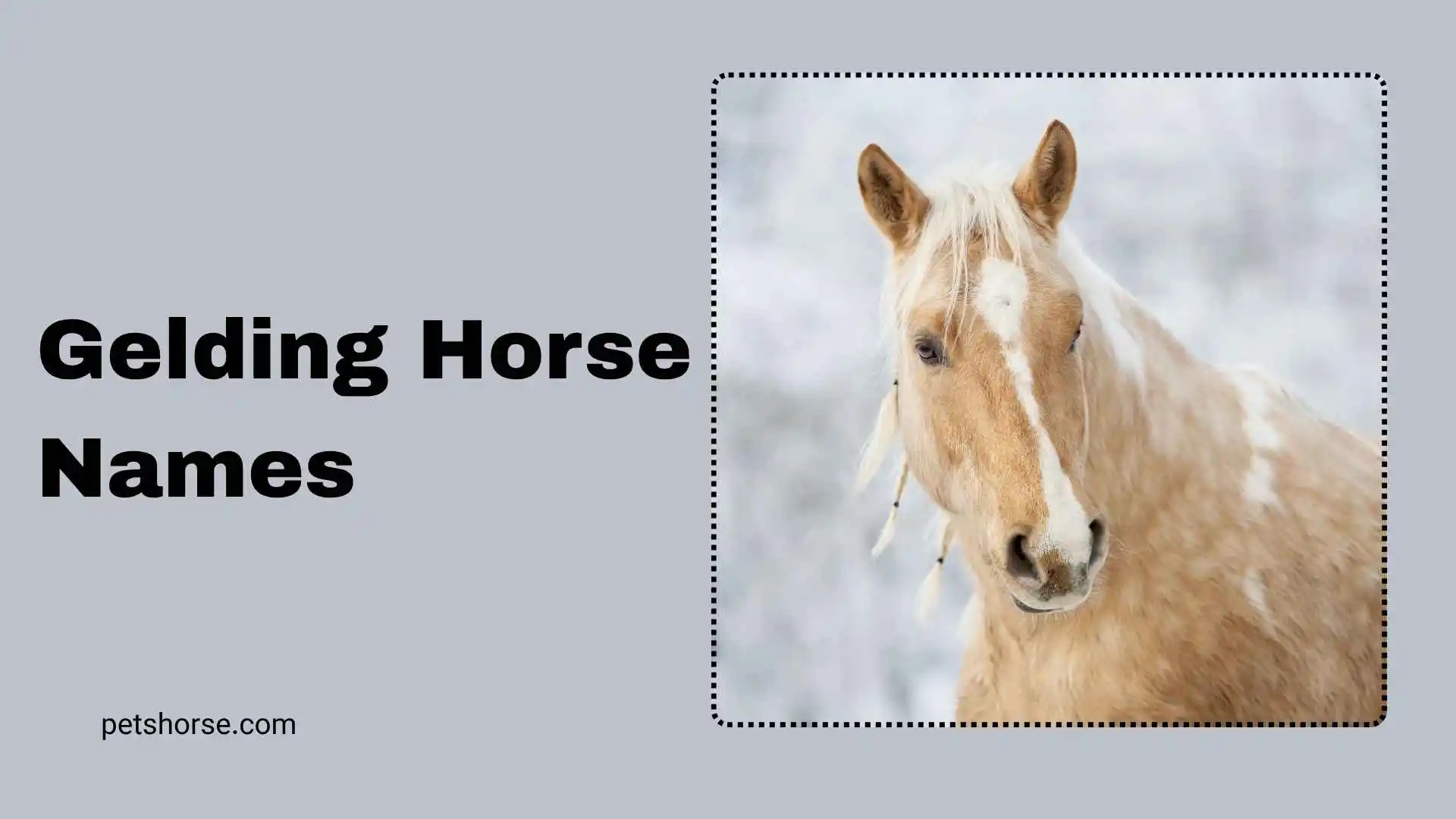
Choosing a name for your gelding is a significant milestone in your equestrian journey. Unlike stallions, whose names are often tightly bound by rigid breed registry bloodline protocols for reproductive marketing, a gelding presents a canvas of pure personal connection.
A gelding is your steadfast trail companion, your focused show ring partner, and your reliable farm confidant. Their names should echo this unique blend of gentle compliance, unyielding strength, and individual personality.
Historically, geldings have held a celebrated place in human history as the dependable working class of the equine world. From the unshakeable cavalry mounts of the middle ages to the tireless plow horses of early agriculture, castrated male horses have quietly driven human progress forward.
Today, whether you are looking for a title that honors a bold heritage, highlights a striking coat color, or leans into a quirky character trait, finding the perfect moniker requires a balance of meaning, sound, and practicality.
This comprehensive guide provides an exhaustive, curated registry of over 400 gelding horse names across dozens of semantic categories, complete with origins, etymology, and visual insights to ensure your horse’s name is as distinctive as his spirit.
What Are The Best Gelding Horse Names?
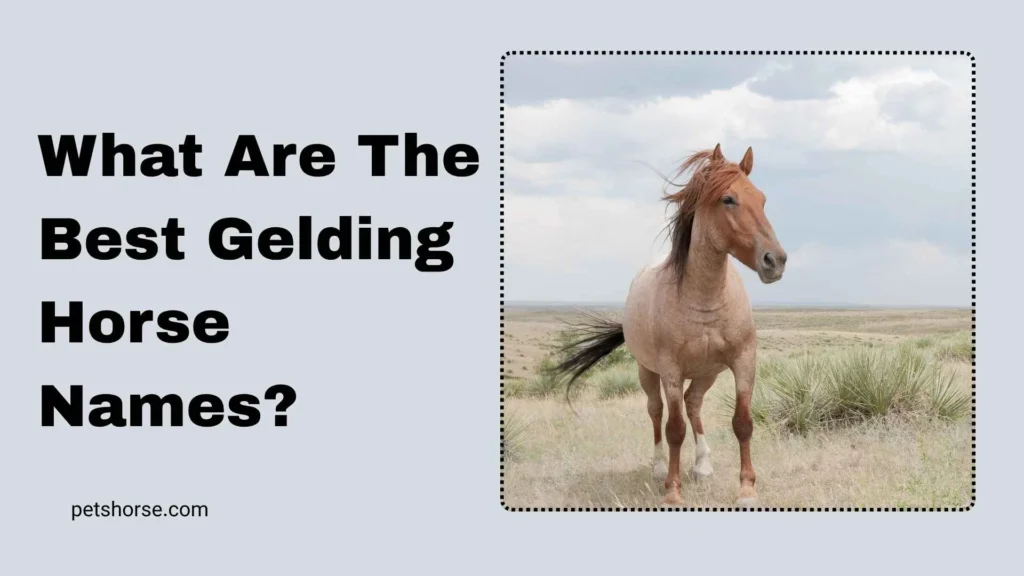
The best gelding horse names blend phonetic clarity with deep personal relevance. Top choices like Maverick, Atlas, and Barnaby excel because they honor a gelding’s signature qualities: reliable strength, focused intelligence, and an approachable, even-tempered disposition that makes them the bedrock of the stable.
How Do You Choose The Perfect Horse Name?
- Observe Behavior: Spend a week tracking his temperament—is he a bold herd leader or a gentle observer?
- Identify Visual Markers: Notice unique whorls, coat gradients, sock patterns, or expressive eye shapes.
- Test Phonetic Recall: Choose a name with one or two syllables that terminates in a crisp consonant or clear vowel sound.
- Verify Registry Compliance: Ensure the name meets maximum character limits and formatting guidelines for your specific breed association.
The Ultimate Gelding Naming Guide
To choose a successful horse name, you must navigate two distinct naming worlds: the barn name (or stable name) and the registered name. Understanding how these two identities intersect is the first step toward finding a name that stands the test of time.
Stable Names vs. Registered Names
A registered name is an official title recorded with breed registries like the American Quarter Horse Association (AQHA), the United States Equestrian Federation (USEF), or The Jockey Club. These names can be up to 18 to 30 characters long (including spaces), often incorporating the breeder’s prefix, the sire’s lineage, or the dam’s family line. Registered names are designed for formal documentation, competition programs, and historical tracking.
Conversely, a barn name is the casual moniker you call out across the paddock at feeding time. It is short, affectionate, and immediately recognizable to the horse. For example, a gelding officially registered as “Sultans Desert Mirage” might answer simply to “Milo” in the stable. When choosing a name from this guide, consider how it can serve as a punchy barn name or act as the foundational anchor for a grander registered title.
Naming by Personality and Appearance
Geldings are famous for their consistent, focused temperaments. Free from the hormonal fluctuations of mares and the territorial distractions of stallions, they excel at close partnerships with humans. Let your gelding’s daily habits guide your choice:
- Does he greet you at the gate with an inquisitive nudge? A warm, friendly name like Hobbes or Silas fits perfectly.
- Does he move with an effortless, sweeping stride across the pasture? Look toward grand, rhythmic names like Sovereign or Zephyr.
- Does his coat feature an unusual star marking or a rich, multi-tonal bay shading? Turn to visual descriptors like Sterling or Russet.
Main Gelding Name Categories
Unique & Rare Gelding Names
For the horse that stands completely apart from the rest of the herd. These names draw from archaic words, geography, and rare terms to ensure your gelding will never share a name at a local show or trail ride.
- Alaric: Germanic origin. Meaning “all-powerful ruler.” A rare, ancient royal name that carries a sharp, aristocratic ring without sounding overly aggressive.
- Bramble: Old English origin. Referring to a rough, tangled prickly shrub. Excellent for an earthy, rugged pony or a hardy cob gelding with a mischievous side.
- Caspian: Geographic origin. Named after the Caspian Sea. Ideal for a serene, deep-eyed horse with an expansive, smooth stride.
- Devereaux: French origin. Meaning “of the riverbanks.” A sophisticated, fluid name suited for an elegant dressage or hunter gelding.
- Eldritch: Archaic English origin. Meaning “otherworldly” or “ghostly.” A striking choice for an ethereal, pale gray or blue-roan horse.
- Halcyon: Greek origin. Meaning “calm, peaceful, and tranquil.” Perfect for that rare, unspookable bombproof trail horse who remains completely unfazed by chaos.
- Isidore: Greek origin. Meaning “gift of Isis.” A classic, literary name that rolls off the tongue beautifully during training.
- Jericho: Arabic/Hebrew origin. Meaning “city of the moon.” Brings to mind ancient walls, enduring strength, and historical resilience.
- Kestrel: English origin. A small, highly agile European falcon. Superb for a compact, nimble cutting horse or a quick-footed gymkhana gelding.
- Lucan: Latin origin. Meaning “light.” A clean, bright name for a horse that brings joy and energy to the barn.
- Marrow: Old English origin. Meaning “a trusted companion or equal partner.” An exceptional, deeply sentimental name for a lifelong heart horse.
- Nesta: Welsh origin. Meaning “pure” or “agile.” Works wonderfully for smaller mountain breeds or refined athletic geldings.
- Orion: Greek mythology. The legendary hunter marked in the stars. An expansive, cosmic name for a large-framed gelding with a commanding presence.
- Peregrine: Latin origin. Meaning “traveler” or “pilgrim.” Ideal for an endurance horse or a trusted companion on long pack trips.
- Quill: Gaelic origin. Meaning “from the woods.” A short, sharp name that evokes images of traditional ink pens and quiet, natural wisdom.
- Ransom: Old English origin. Meaning “deliverance” or “redemption.” Often chosen for a rescued horse who found a second chance in your pastures.
- Stellan: Scandinavian origin. Meaning “calm” or “peaceful keeper.” Perfect for a steady, grounding gelding who acts as the anchor of your barn.
- Thaddeus: Aramaic origin. Meaning “courageous heart.” A noble name for a brave gelding that refuses to back down from a challenging fence.
- Vane: Old English origin. A weather vane that turns with the wind. Reflects high responsiveness, sensitivity, and effortless agility under saddle.
- Winslow: Old English origin. Meaning “the hill of friendship.” An endearing choice for an affectionate horse who loves paddock scratches.
Cool & Modern Gelding Names
Sleek, punchy, and thoroughly contemporary. These names are brief, highly memorable, and carry a distinct edge that sounds fantastic over a loudspeaker.
+————+———————–+——————————————+
| Name | Origin | Semantic Meaning / Best Application |
+————+———————–+——————————————+
| Apex | Latin | The absolute peak; for a top competitor |
| Axis | Latin | The central turning point; hyper-agile |
| Cipher | Arabic | A secret code; for a mysterious horse |
| Drift | Middle English | Continuous movement; smooth, floating |
| Echo | Greek | Sound reflection; responsive to cues |
| Flux | Latin | Continuous change; fluid, dynamic stride |
| Grid | Old Norse | Structural network; steady and systematic|
| Helix | Greek | A spiral curve; athletic and coiled |
| Ion | Greek | Charged atom; small but full of energy |
| Jax | Modern English | God is gracious; sharp and contemporary |
| Kinetic | Greek | Relating to motion; always ready to move |
| Lynx | Greek | Wild cat; sharp-eyed and sure-footed |
| Neo | Greek | New/Modern; a fresh, striking presence |
| Onyx | Greek | Dark gemstone; sleek, deep black coat |
| Pulse | Latin | Steady beat; rhythmic and highly reliable|
| Rogue | Old French | Independent outlier; free-spirited |
| Sonic | Latin | Speed of sound; incredibly fast gelding |
| Talon | Old French | Sharp claw; strong grip on the turf |
| Vector | Latin | Direction and magnitude; precise mover |
| Zenith | Arabic | The highest point; a premier show horse |
+————+———————–+——————————————+
Elegant & Noble Gelding Names
For the gelding with a flawless topline, an exquisite headset, and an innate sense of dignity. These aristocratic titles are well-suited for dressage arenas, formal show rings, and refined Warmblood breeds.
- Alistair: Scottish Gaelic origin. Meaning “defender of men.” A classic, dignified name that conveys sophisticated strength.
- Baron: Old French origin. A title of high nobility. Suits a large, broad-chested horse who carries himself with effortless authority.
- Chancellor: Latin origin. An official keeper of records and law. Perfect for a highly disciplined, exact, and well-schooled gelding.
- Dorian: Greek origin. Derived from the ancient Greek tribe; also famously associated with timeless elegance in literature.
- Emerson: Old English origin. Meaning “brave or powerful.” Offers a soft yet authoritative cadence for a dependable horse.
- Fairfax: Old English origin. Meaning “beautiful hair.” A wonderful choice for a horse blessed with a thick, flowing mane and tail.
- Gideon: Hebrew origin. Meaning “mighty warrior.” A strong, elegant biblical name for an unyielding partner.
- Hadley: Old English origin. Meaning “from the heather-covered meadow.” Sounds peaceful, highly polished, and traditional.
- Kingsley: Old English origin. Meaning “from the king’s meadow.” Fits a horse with a proud, high-stepping gait.
- Laurence: Latin origin. Meaning “laurel-crowned,” the ancient symbol of victory and honor.
- Montague: French origin. Meaning “pointed mountain.” A grand, traditional surname that evokes old-world estate charm.
- Phineas: Hebrew origin. Meaning “oracle” or “mouth of brass.” Ideal for an intelligent, highly perceptive gelding.
- Regis: Latin origin. Meaning “of the king.” A short, deeply elegant name that commands respect.
- Sterling: Old English origin. Meaning “of highest quality” or “pure silver.” A classic choice for an exceptional gray horse.
- Tennyson: English origin. Associated with refined poetic mastery; ideal for a fluid, expressive mover.
- Valerian: Latin origin. Meaning “to be strong and healthy.” A noble Roman name that sounds both historical and graceful.
Funny & Playful Gelding Names
Geldings are notorious for their playful barnyard antics—stealing hats, unlatching gates, and splashing in water troughs. These names celebrate the class clowns of the equine world.
- Barnaby: Aramaic origin. Meaning “son of encouragement.” It sounds inherently friendly, cheerful, and a little bit goofy.
- Biscuit: French origin. A warm, comforting baked treat. Perfect for a sweet, round, golden-tan buckskin or palomino gelding.
- Chuckle: Mimetic origin. To laugh quietly. For the horse that always looks like he’s sharing an inside joke with the barn.
- Doodles: Modern English. For an easygoing, sweet-tempered horse who likes to meander casually rather than rush.
- Frodo: Literary origin. The small hobbit who carried a massive burden. Great for a stout, short pony gelding with immense heart.
- Gulliver: Literary origin. An adventurous traveler who encountered unusual worlds. Suited for an inquisitive, nosy horse.
- Hobbes: Pop culture origin. The philosophical, imaginative tiger from Calvin and Hobbes. Great for a playful chestnut with a big personality.
- Jester: Middle English origin. A professional court entertainer. For the gelding who constantly drops his water bucket or unlatches his stall door.
- Macaroni: Italian origin. A fun, rolling name inspired by the classic Yankee Doodle song; great for an energetic pony.
- Noodle: Colloquial English. For a young, gangly, uncoordinated gelding who hasn’t quite grown into his long legs yet.
- Pickles: Dutch origin. A sharp, tangy treat. A bright, cheeky barn name for a pony with a ton of attitude.
- Pippin: Old French origin. Meaning “a small, flavorful seed.” Suits a compact, energetic gelding who keeps you on your toes.
- Scuttle: English origin. To move with short, rapid steps. A funny name for an eager horse who hurries to the gate at feeding time.
- Spud: Irish origin. A humble, deeply loved potato. An endearing moniker for a plain, thick-set, completely dependable cob.
- Waffles: Dutch origin. A sweet, patterned breakfast treat. A friendly, comforting name for a chestnut or dun horse with varied coat tones.
Breed-Specific Gelding Names
Different breeds carry distinct cultural histories, physical builds, and operational styles. Matching your gelding’s name to his specific breed heritage honors his ancestry and reinforces his natural look.
American Quarter Horse Names
Quarter Horses are celebrated for their immense hindquarter strength, explosive short-distance speed (“the quarter mile”), and intuitive “cow sense.” Their names should feel western, rugged, and functional.
- Austin: Latin origin. Meaning “magnificent” or “venerable.” A classic Texas-inspired town name that fits a steady ranch gelding.
- Boone: Old French origin. Meaning “a blessing” or “good companion.” Nods directly to legendary American frontier exploration.
- Colt: English origin. Meaning “young horse.” A sharp, athletic name that emphasizes raw speed and agile quarter-horse power.
- Dallas: Scottish origin. Meaning “valley meadow.” A definitive western name that commands a strong presence in the show ring.
- Flint: Old English origin. A hard, spark-producing stone. Ideal for a solid, sure-footed roan or gray working cow horse.
- Gatlin: Old English origin. Meaning “companion.” A rugged name that calls to mind heritage machinery and steady reliability.
- Houston: Old English origin. Meaning “Hugh’s town.” A powerful, grand Texas name that fits a wide-built, muscular bulldog-style Quarter Horse.
- Laredo: Spanish origin. Named after the historic border town. Imbues a sense of frontier law, grit, and deep trail capability.
- Oakley: Old English origin. Meaning “from the oak clearing.” Nods subtly to the famous sharpshooter Annie Oakley; great for an agile, precise horse.
- Ranger: Old French origin. A forest keeper or law enforcer. A classic title for a trustworthy trail companion who safely guides you through the wilderness.
Thoroughbred & Sport Horse Names
Thoroughbreds, Warmbloods, and athletic sport cobs require names that feel athletic, aerodynamic, and aristocratic. These names sound sharp when announced over competition sound systems.
- Archer: Latin origin. A skilled bowman. Evokes intense precision, straight lines, and focused speed over jumps.
- Cadence: Latin origin. Meaning “rhythmic flow.” Perfect for a dressage Warmblood or a hunter gelding with a flawlessly consistent stride.
- Dash: Middle French origin. To move with sudden, explosive speed. A classic, high-energy name for an eventer or track horse.
- Flynn: Irish origin. Meaning “son of the red-haired one.” An excellent, spirited name for a sleek, fast chestnut Thoroughbred.
- Gulliver: Gaelic origin. An adventurous traveler. Fits an bold, athletic cross-country horse who happily tackles any terrain.
- Keen: Old English origin. Meaning “sharp-witted, brave, and intensely focused.” A short, functional name for a responsive eventing partner.
- Mercer: Old French origin. Meaning “a merchant of fine fabrics.” A smooth, sophisticated name for a polished hunter gelding.
- Pace: Latin origin. Meaning “a step” or “peace.” Ideal for a horse with an exceptional, ground-covering gallop.
- Sovereign: Old French origin. Meaning “supreme ruler.” A grand, traditional name for a top-tier show jumper.
- Winslow: Old English origin. Meaning “victory hill.” A name that carries an aura of natural athletic achievement and competitive success.
Draft & Cob Gelding Names
For the gentle giants of the horse world—Clydesdales, Shires, Percherons, and thick-set traditional cobs. These names emphasize massive skeletal strength, calm spirits, and historical weight.
- Angus: Gaelic origin. Meaning “one strength.” Perfect for a broad-shouldered draft horse with immense pulling power.
- Barnaby: English origin. Meaning “comforting companion.” A soft, friendly name that balances out a massive, intimidating physical size.
- Bruno: Germanic origin. Meaning “brown.” A classic, heavy-sounding name that perfectly suits a stocky, dependable draft gelding.
- Goliath: Hebrew origin. The legendary giant warrior. A classic, playful nod to an exceptionally large horse with a kind heart.
- Hearth: Old English origin. The stone floor of a fireplace. Symbolizes safety, deep warmth, and unshakeable family dependability.
- Magnus: Latin origin. Meaning “the great.” A powerful, historic Scandinavian royal name well-suited for a towering Percheron or Shire.
- Samson: Hebrew origin. A biblical figure blessed with extraordinary physical strength. A wonderful fit for a heavy horse who handles hard work with ease.
- Tank: Modern English. A clear visual descriptor for an exceptionally wide-built, muscular, and sturdy cob gelding.
- Thor: Old Norse mythology. The legendary god of thunder and strength. An ideal title for a heavy draft horse with massive hooves and a powerful stride.
- Winston: Old English origin. Meaning “joyful stone.” Combines architectural, unyielding strength with a friendly, reliable disposition.
Color-Based Gelding Names
A horse’s coat color is often the first thing people notice. Choosing a name that complements or cleverly describes his color palette creates an immediate, satisfying connection.
Black and Dark Coat Names
- Carbon: Latin origin. Referring to the foundational dark element. A modern, industrial name for a deep, solid black horse without white markings.
- Coal: Old English origin. A classic, rugged name for a gelding with a matte, dark charcoal or pitch-black coat.
- Eclipse: Greek origin. The temporary obscuring of a celestial body by darkness. Perfect for a striking, dramatic black Warmblood.
- Ink: Old French origin. A short, sharp, and artsy name for a jet-black horse with a brilliant, glossy sheen.
- Midnight: English origin. The deepest hour of the night. A timeless, highly popular favorite for a reliable, dark-coated gelding.
- Noir: French origin. The literal word for “black.” Adds an air of vintage, cinematic sophistication to an elegant show horse.
- Obsidian: Geographic origin. A dark, glassy volcanic rock. Excellent for a black horse with a glass-like shine to his coat.
- Onyx: Greek origin. A smooth, precious black gemstone. A strong, elegant name that carries deep authority.
- Shadow: Old English origin. A dark image cast upon the ground. Suits a quiet, steady gelding who follows you closely like a second shadow.
- Vesper: Latin origin. Meaning “evening star” or “nightfall.” A beautiful, poetic name for a dark gelding with a gentle, calm demeanor.
White and Gray Coat Names
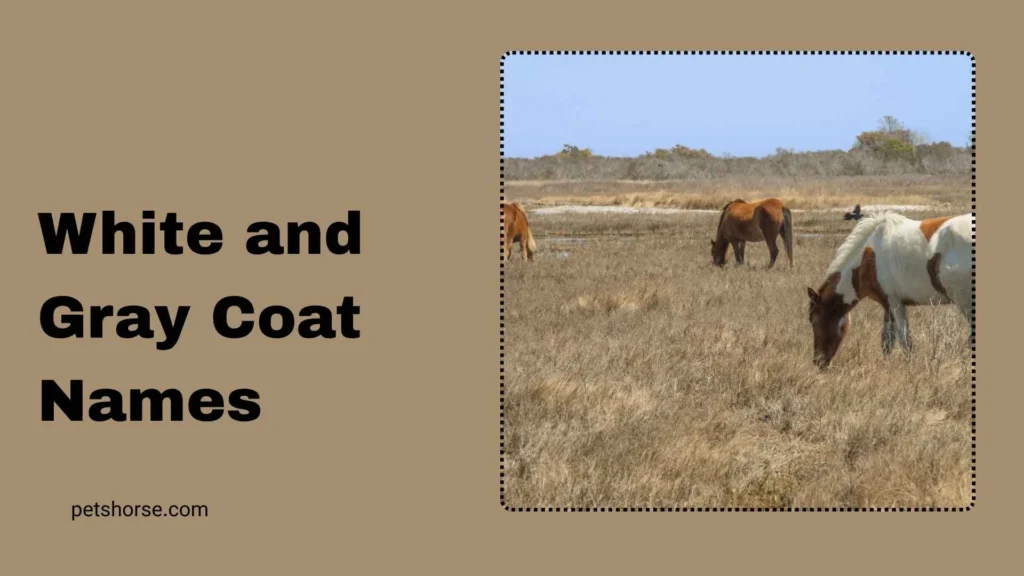
- Argent: Old French origin. Derived from the Latin word for silver. A refined, historic name for a pale gray or dapple-gray horse.
- Casper: Persian origin. Meaning “treasurer.” Popularized as the friendly ghost, it makes a lighthearted name for a pure white gelding.
- Cloud: Old English origin. A soft, drifting mass of water vapor. Ideal for an easygoing, smooth-moving gray horse with a floating trot.
- Frost: Old Norse origin. Ice crystals formed on a freezing night. A crisp, bold name for a brilliant white or flea-bitten gray gelding.
- Haze: English origin. A thin, silvery morning mist. A wonderful choice for a light dapple-gray whose coat pattern subtly shifts over time.
- Luna: Latin origin. Referring to the silver moon. A peaceful, glowing name that works beautifully for pale, striking horses.
- Misty: Old English origin. Soft, blurred, and atmospheric. A classic favorite for a gentle gray pony or an old-soul trail gelding.
- Phantom: French origin. An elusive, pale spirit. Suits an elegant, high-stepping white or light gray horse with a majestic presence.
- Smokey: English origin. A traditional, deeply affectionate name for a slate-gray or blue-roan horse with a dark mane.
- Sterling: English origin. Refers to high-purity sterling silver. A sophisticated, bright name for an elite show gelding.
Brown, Bay, and Chestnut Coat Names
- Amber: Arabic origin. A warm, golden-brown fossilized resin. A bright, inviting name for a rich light bay or chestnut horse.
- Autumn: Latin origin. The season of changing leaves. Perfectly matches the warm copper, bronze, and deep orange tones of a chestnut gelding.
- Brandy: Dutch origin. A rich, burnt-amber distilled spirit. A classic, smooth name for a dark bay horse with black points.
- Cedar: Latin origin. A fragrant, reddish-tinted wood. A natural, grounding name well-suited for a solid, reliable sorrel or chestnut.
- Chestnut: Old French origin. Named after the deep brown nut of the chestnut tree. A straightforward, honest name for a warm-toned horse.
- Cocoa: Aztec origin. Derived from the cacao seed. A sweet, friendly name for a soft, dark brown or liver-chestnut gelding.
- Copper: Latin origin. A bright, metallic reddish-brown metal. A high-energy name that glistens beautifully on a sleek chestnut coat.
- Espresso: Italian origin. Dark, concentrated roasted coffee. A modern, punchy name for a near-black or deep dark bay horse.
- Hazel: Old English origin. A light golden-brown hue. A gentle, soft-sounding name for a buckskin, dun, or light bay companion.
- Nutmeg: Old French origin. A warm, aromatic brown spice. Perfect for a smaller cob or pony gelding with a rich, multi-tonal brown coat.
Palomino, Buckskin, and Pinto Names
- Biscuit: French origin. A crisp, golden-tan baked treat. A comforting, friendly name for a pale palomino or buckskin gelding.
- Butterscotch: English origin. A rich candy made from brown sugar and butter. Highlights the deep, golden glow of a premium palomino.
- Caramel: Spanish origin. Burnt sugar with a rich, smooth golden hue. Fits a buckskin horse with a beautifully shaded coat.
- Domino: Latin origin. A black-and-white tile game. A definitive, classic name for a black-and-white pinto or paint gelding.
- Dune: Dutch origin. A shifting ridge of wind-blown sand. A serene, minimalist name for a light dun or buckskin horse.
- Goldie: Old English origin. A timeless, affectionate name that celebrates a bright, metallic golden palomino coat.
- Honey: Old English origin. Sweet, golden nectar. A warm, welcoming name for an affectionate, golden-colored horse.
- Nugget: Modern English. A small lump of solid gold. A fun, valuable-sounding name for a compact, sturdy palomino pony.
- Patches: Middle English origin. A playful, visual description for a pinto or paint horse with large, bold blocks of color.
- Sundance: Native American history. Associated with the warmth of the sun and open prairies; excellent for a spirited palomino.
Personality-Based Gelding Names
Sometimes, a horse’s unique behavior or temperament is far more defining than his breed or coat color. These categories help you align your horse’s name with his core identity.
For Gentle & Steady Cobs
The bedrock of the equestrian world—unspookable, affectionate, patient, and deeply reassuring to be around.
- Barnaby: Meaning “gentle comfort.” It rolls off the tongue with a warm, soft cadence that fits an easygoing gelding.
- Hearth: Representing the absolute center of a safe home. For a horse that instantly eases your anxiety the moment you step into his stall.
- Hobbes: A friendly, steady companion name that implies quiet emotional intelligence and a laid-back attitude.
- Marrow: An old term for a true companion. For the horse that operates completely in sync with your movements and feelings.
- Silas: Latin origin. Meaning “of the forest.” Carries a calm, quiet, and deeply grounded energy.
- Spud: A humble, affectionate name that reflects an unpretentious, patient nature.
- Stellan: Meaning “calm keeper.” Perfect for the gelding that patiently teaches young or nervous riders how to navigate the saddle.
- Winslow: Meaning “friendship hill.” For the horse that greets every single visitor with a soft, welcoming nicker.
For Spirited & Fast Athletes
For the gelding with an extra gear—energetic, ambitious, quick off the mark, and possessed of immense athletic drive.
- Apex: Representing the absolute highest peak of performance. For an elite competitor that lives to win.
- Archer: Evokes the straight, lightning-fast flight of an arrow. Perfect for barrel racing or eventing geldings.
- Bolt: Implying sudden, electric speed and sharp, rapid movement.
- Dash: A quick, punchy syllable that matches a horse with an exceptional acceleration rate.
- Flynn: Carrying a bright, lively sound that perfectly suits an eager, energetic chestnut runner.
- Kinetic: Meaning “energy in motion.” Ideal for a horse that always feels light, coiled, and ready to sprint forward.
- Pace: For a horse with an effortlessly massive, ground-covering trot or gallop.
- Sonic: Nodding to the speed of sound; a fun, modern name for an exceptionally fast horse.
- Vane: For a highly sensitive, hyper-responsive gelding that turns instantly on the slightest shift of your weight.
- Zephyr: Greek origin. The swift, powerful west wind. A great name for a horse with a smooth, effortless gallop.
Famous Horse Naming Inspiration
Look to history, literature, and folklore for names that carry built-in depth, narrative weight, and timeless cultural recognition.
Historical & Legendary Geldings
- John Henry: One of the most beloved Thoroughbred racing geldings of the 20th century. Known for his modest breeding and gritty, blue-collar work ethic, he won over $6.5 million through pure determination. A name that symbolizes resilience, heart, and overcoming the odds.
- Snowman: An legendary plow horse gelding rescued from a slaughter truck for eighty dollars who went on to become an American open jumping champion. A beautiful name for a rescued horse with hidden talent and an unforgettable spirit.
- Forego: A massive, eight-time Eclipse Award-winning racing gelding from the 1970s. Famous for his immense size and his ability to carry incredible weight finishes to victory. Represents raw power and an unyielding competitive drive.
- Kelso: Widely considered one of the greatest racehorses in history. As a gelding, he couldn’t retire to stud, so he raced for eight seasons, setting records and winning Horse of the Year five consecutive times. A premier name for a horse defined by consistency and longevity.
Mythological & Literary Inspiration
- Shadowfax: The legendary “Lord of all horses” from J.R.R. Tolkien’s The Lord of the Rings. He was a brilliant silver-gray mount who could run faster than the wind. A magnificent choice for an intelligent, free-spirited gray gelding.
- Artax: The faithful, deep-eyed horse of Atreyu in The NeverEnding Story. A name that carries deep nostalgia and represents immense loyalty and an emotional bond between horse and rider.
- Rocinante: Don Quixote’s famous steed. While historically comedic, the name has come to represent a deeply trusted, steady companion on unusual adventures. Great for a quirky trail horse.
- Pegasus: The mythical winged horse of Greek lore that soared into the heavens. A timeless, epic name for a jumping gelding that feels like he takes flight over every fence.
- Odin: The primary, wise deity of Norse mythology. Imbues a sense of quiet majesty, ancient leadership, and unshakeable authority.
Expert Tips for Naming Your Horse
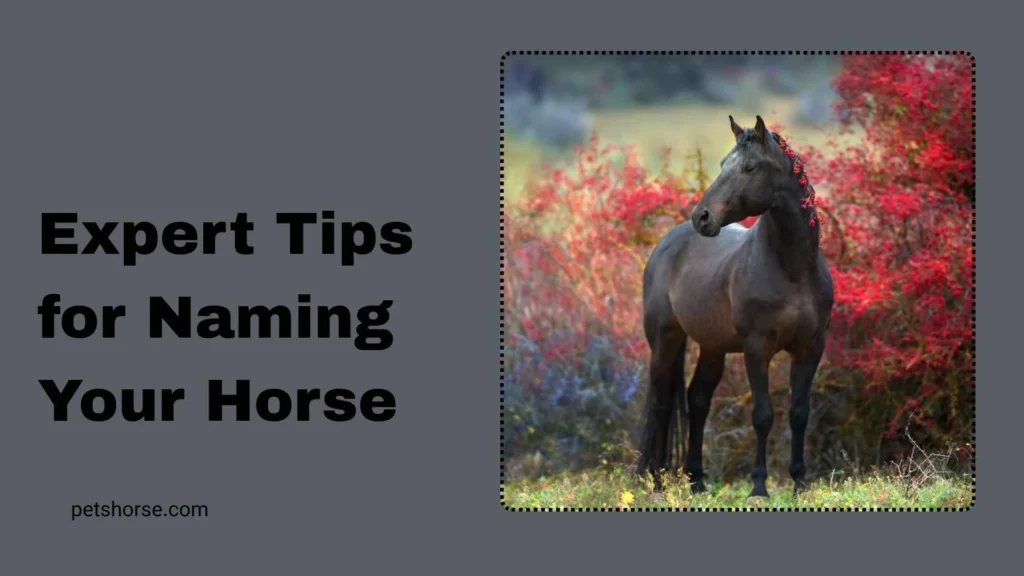
Choosing a name is a long-term commitment. To ensure you find a title you’ll still love a decade from now, keep these practical guidelines in mind:
1. Match the Gelding’s True Temperament
Avoid naming your horse during his very first day in a new environment, as anxiety or excitement can mask his real personality. Give him a week to settle in. Watch how he interacts with his pasture mates, how he handles grooming, and how he reacts to unexpected noises. Let his authentic, relaxed self guide the name.
2. Prioritize Clear Phonetics
Horses respond best to short, distinct vocal cues. When choosing a barn name, aim for one or two syllables that feature a strong terminal sound (like Milo, Boone, or Dexter). This makes it easy to project across a windy pasture and helps your horse quickly learn to distinguish his name from everyday background chatter.
3. Consider Long-Term Suitability
A cute, tiny foal will eventually mature into a large, powerful adult. A playful name like “Teacup” might lose its charm when your horse grows into a 16.2-hand, 1,200-pound Warmblood. Choose a name that carries enough versatility to grow gracefully alongside your gelding from youth into seniority.
Common Horse Naming Mistakes to Avoid
- Choosing Overly Complex Names: Avoid names that require complex pronunciation explanations to show announcers, stable managers, or vets. If people constantly stumble over it, you’ll eventually find it frustrating.
- Ignoring Similar Barn Names: Check the names of the other horses in your immediate boarding aisle or pasture group. If there is already a “Beau” and a “Benny” in the barn, naming your new gelding “Boone” can cause confusion during group turnouts or feeding routines.
- Selecting Trend-Dependent Pop Culture Names: Names tied to fleeting internet trends or brief viral moments can feel dated within a few years. Stick to names with classic roots, deep personal meanings, or timeless historical relevance.
The Final Horse Name Checklist
Before making your final choice official, run your top name through this quick equestrian checklist:
[ ] Is it easy to pronounce and call out across an open paddock?
[ ] Does it genuinely match his relaxed or athletic personality?
[ ] Does it fit his coat color, markings, or physical build?
[ ] Is it completely distinct from other horses in your stable?
[ ] Does it sound professional and polished for a show announcer?
[ ] Are you proud to write this name on his permanent vet stall card?
Frequently Asked Questions
What are the most popular gelding horse names?
The most popular gelding names consistently include classic titles like Maverick, Bandit, Duke, Cody, Charlie, and Jack. These names are favored because they are short, easy to pronounce, and capture the friendly, reliable nature that geldings are famous for.
Can two horses have the same registered name?
Within the same official breed registry, two horses generally cannot share the exact same registered name. Registries like the AQHA or The Jockey Club enforce strict uniqueness rules, which is why owners frequently use creative prefixes, suffixes, or birth years to ensure their horse’s official title is entirely unique.
How do racehorses get their registered names?
Racehorse names are approved by organizations like The Jockey Club under strict rules: they must be 18 characters or less, cannot be vulgar, and cannot advertise commercial products. Owners typically create clever combinations that blend the names of the horse’s sire and dam.
Why do geldings make great trail and show horses?
Geldings are highly prized because castration removes the high testosterone levels found in stallions. This results in a highly consistent, calm, and predictable temperament. They lack the hormonal cycles of mares and the territorial distractions of stallions, making them exceptionally focused partners.
What is a good name for a gentle, bombproof gelding?
For an unspookable, steady horse, names that mean peace, rock, or anchor work beautifully. Excellent choices include Stellan (calm keeper), Barnaby (comforting companion), Silas (peaceful wood), or Flint (solid, enduring stone).
Should a barn name match a horse’s registered name?
While it isn’t a strict requirement, a barn name often acts as a short, punchy abbreviation of a horse’s registered name. For example, a horse registered as “Midnight Starfighter” will naturally be called “Shadow” or “Knight” around the barn for daily ease.
What are some strong, powerful names for a large draft gelding?
For massive, heavy draft breeds or thick cobs, powerful historical and mythological names work best. Top recommendations include Magnus (the great), Angus (one strength), Thor (god of thunder), and Samson (extraordinary strength).
Conclusion
Finding the perfect name for your gelding is a meaningful step in building a lifelong partnership. Whether you choose a name that honors his unique breed heritage, celebrates a striking coat color, or highlights his playful barnyard antics, the ideal title is one that resonates with you and respects his steady, dependable spirit. Use this guide as a foundation, take your time getting to know your new horse, and choose a name that will bring a smile to your face every single time you call it out across the pasture.

I am Olivia Carter, a pet lover, animal naming researcher, and creative writer who loves helping people find the perfect names for their furry companions. I believe every pet has a unique personality, and the right name can reflect their character, appearance, and special bond with their family. Through my research and writing, I explore cute, unique, funny, and meaningful pet names inspired by nature, mythology, colors, personalities, and popular culture.
I have written several pet naming guides, including my books “The Ultimate Pet Names Guide: Finding the Perfect Name for Your Companion” and “Creative Cat & Dog Names: Thousands of Ideas for Every Personality.” My goal is to make choosing a pet name simple, enjoyable, and memorable for every pet owner.