
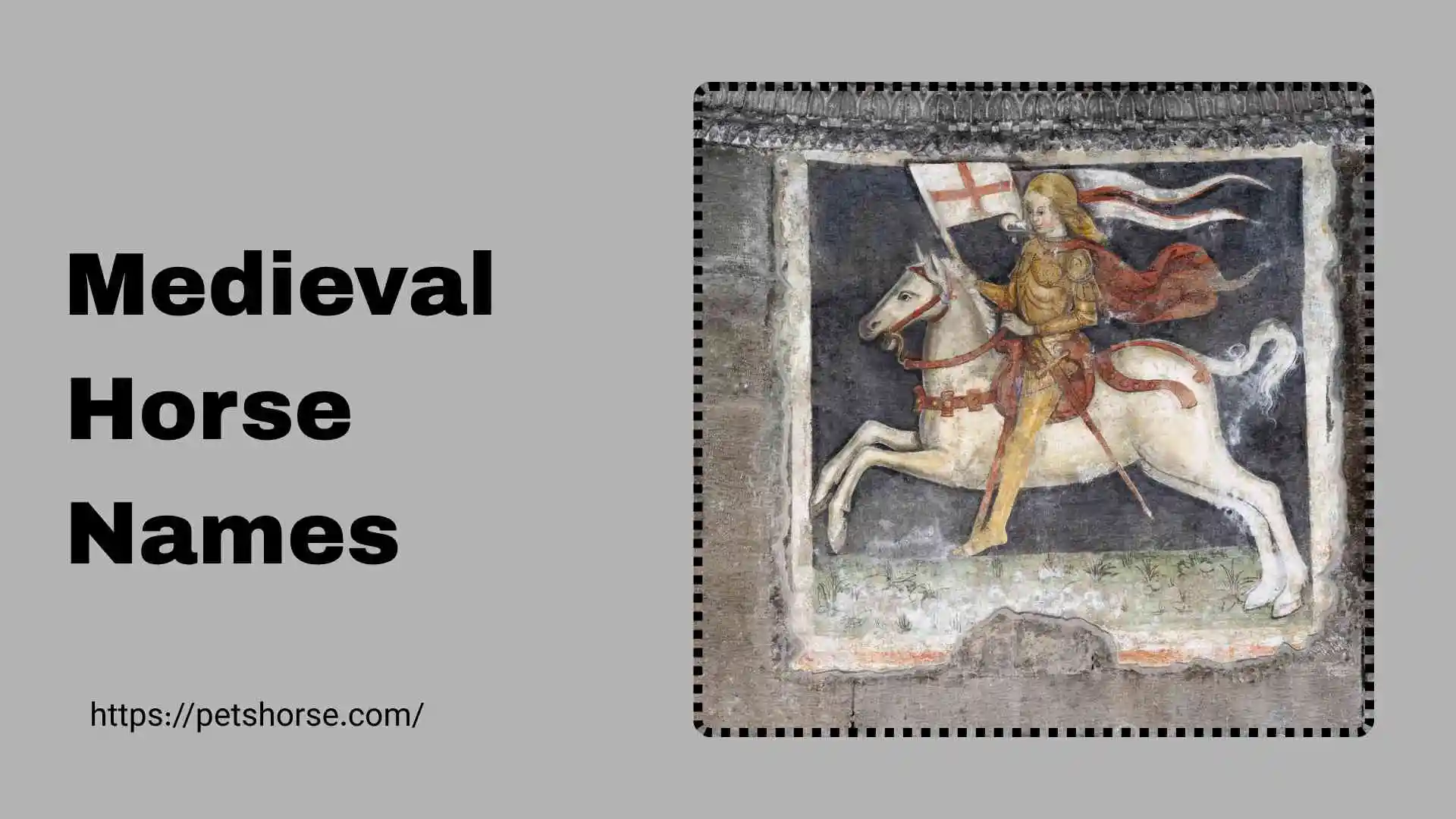
Medieval horse names carry a sense of power, mystery, honor, and deep historical identity. During the Middle Ages, horses were not just animals they were essential companions in war, agriculture, travel, and royal ceremonies. Knights, kings, and warriors often gave their horses meaningful names that reflected strength, loyalty, divine protection, or battlefield courage.
Choosing the right medieval horse name today is more than a creative exercise. It connects your horse to centuries of heritage from armored warhorses that carried knights into battle to elegant royal steeds that served queens and emperors. A well-chosen name can reflect your horse’s personality, appearance, speed, and spirit.
In this ultimate guide to medieval horse names, you’ll discover historically inspired names, fantasy medieval ideas, knightly titles, Celtic and Anglo-Saxon influences, and symbolic meanings rooted in European history. Each name includes its meaning, origin, and cultural or symbolic significance so you can choose with confidence and depth.
Featured Snippet Section
What Are The Best Medieval Horse Names?
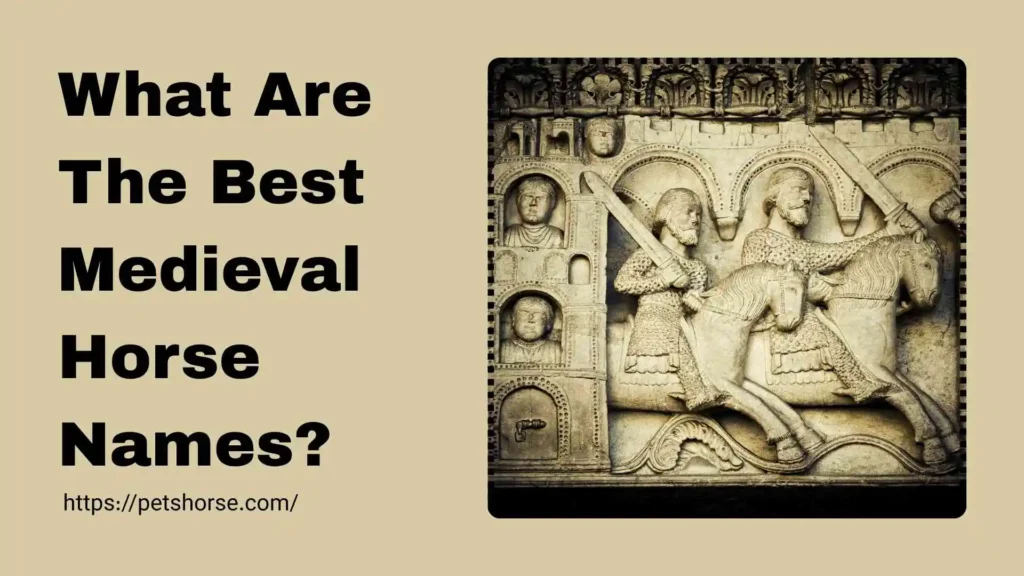
The best medieval horse names are those inspired by knights, royalty, mythology, and Old English or Celtic heritage. Names like “Shadowfax,” “Aldric,” and “Boreas” reflect strength, nobility, and speed. Ideal medieval horse names often symbolize bravery, loyalty, or divine power, making them perfect for spirited and majestic horses.
How Do You Choose The Perfect Medieval Horse Name?
- Observe your horse’s personality (bold, calm, fast, gentle).
- Match the name to its appearance (color, size, movement).
- Choose historical or medieval-inspired roots for authenticity.
- Prefer names that are easy to pronounce during training.
- Ensure the name reflects meaning, strength, or symbolism.
Medieval Horse Naming Guide
In medieval times, horses were named based on:
- Role in society: Warhorses, messengers, royal mounts
- Breed and origin: Andalusian, destrier, Arabian influences
- Physical traits: Coat color, speed, size, and strength
- Symbolism: Courage, divine favor, protection, or victory
Stable Names vs Registered Names
Medieval-inspired horses today often have:
- Stable names: Short, practical names used daily
- Registered names: Formal, symbolic names used in competitions
Inspiration Sources
- Knights and crusaders
- Medieval kings and queens
- Celtic warriors and legends
- Old English and Latin languages
- Mythological creatures and gods
Main Medieval Horse Names Categories
Knight & Warrior Medieval Horse Names
A knight’s horse was called a warhorse or destrier—bred for battle, strength, and fearlessness.
Aldric — Means “old ruler” in Old German, symbolizing leadership and authority.
Baldric — A medieval belt worn by knights; symbolizes readiness for battle.
Godfrey — Means “peace of God,” reflecting divine protection in war.
Leofric — Old English for “dear ruler,” symbolizing noble strength.
Oswin — Means “divine friend,” ideal for a loyal battle companion.
Roderic — “Famous ruler,” representing battlefield leadership.
Cedric — A noble medieval name meaning “kindly and loved leader.”
Edric — “Wealthy ruler,” symbolizing prosperity and power.
Wulfric — “Wolf ruler,” representing ferocity and courage.
Harold — Means “army ruler,” perfect for a commanding warhorse.
Arnulf — “Eagle wolf,” symbolizing sharp vision and strength.
Sigbert — “Bright victory,” ideal for a victorious war mount.
Ethelred — “Noble counsel,” representing wisdom in leadership.
Bertram — “Bright raven,” symbolizing intelligence and mystery.
Hugh — Means “mind and spirit,” a strong loyal companion.
Garin — “Guarded warrior,” perfect for protective horses.
Roland — Legendary knight, symbol of courage and loyalty.
Tristan — Means “bold one,” associated with tragic heroism.
Gawain — Arthurian knight symbolizing honor and bravery.
Percival — Knight of the Holy Grail, representing purity.
Royal & Noble Medieval Horse Names
Royal horses were symbols of wealth, prestige, and divine right.
Alaric — “Ruler of all,” symbolizing supreme authority.
Theobald — “Bold people,” a noble medieval aristocratic name.
Edmund — “Protector of prosperity,” a royal guardian name.
William — “Resolute protector,” associated with kingship.
Henry — “Estate ruler,” commonly used by medieval kings.
Charles — “Free man,” symbolizing royal independence.
Louis — “Renowned warrior,” French royal heritage.
Philip — “Lover of horses,” historically fitting for equines.
Robert — “Bright fame,” representing noble legacy.
Stephen — “Crowned one,” perfect for royal lineage.
Richard — “Powerful ruler,” ideal for strong stallions.
Geoffrey — “Divine peace,” noble medieval name.
Benedict — “Blessed,” symbolizing divine favor.
Constantine — “Steadfast,” linked to Roman emperors.
Frederick — “Peaceful ruler,” Germanic royal name.
Maximilian — “Greatest,” representing imperial strength.
Augustus — “Venerable,” inspired by Roman emperors.
Cyrus — “Sun-like,” symbolizing greatness and brilliance.
Leopold — “Bold people,” aristocratic strength.
Alfred — “Wise counselor,” symbol of leadership.
Mythical Medieval Horse Names
Inspired by legends, dragons, and ancient European mythology.
Griffin — Mythical beast symbolizing strength and vigilance.
Phoenix — Rebirth and immortality, rising from ashes.
Hydra — Multi-headed serpent, symbol of unstoppable power.
Cerberus — Guardian of the underworld, fierce protector.
Boreas — Greek god of the north wind, symbolizing speed.
Zephyr — Gentle west wind, representing agility.
Aether — Upper sky element, symbol of divine purity.
Orion — Legendary hunter, symbol of cosmic strength.
Atlas — Titan who holds the sky, symbol of endurance.
Nyx — Goddess of night, representing mystery.
Selene — Moon goddess, symbol of calm beauty.
Helios — Sun god, representing brightness and power.
Apollo — God of light and arts, noble and radiant.
Thor — Norse god of thunder, symbol of brute strength.
Odin — Wise father of gods, intelligence and power.
Fenrir — Mythical wolf, representing untamed strength.
Jormungandr — World serpent, symbol of immense power.
Epona — Celtic horse goddess, protector of horses.
Loki — Trickster god, unpredictable and clever.
Titan — Giant beings of myth, symbolizing raw force.
Celtic Medieval Horse Names
Rooted in ancient Celtic warrior culture and nature spirituality.
Aisling — “Dream or vision,” symbolizing mysticism.
Bran — “Raven,” symbol of prophecy and intelligence.
Ciaran — “Dark one,” representing mystery and depth.
Daire — “Oak tree,” symbol of strength and endurance.
Eoghan — “Born of the yew tree,” sacred Celtic symbolism.
Fionn — “Fair-haired warrior,” legendary hero of Ireland.
Lugh — Celtic god of skills and mastery.
Niamh — “Bright,” symbolizing beauty and light.
Oisin — “Little deer,” representing grace and speed.
Rhiannon — Welsh goddess of horses and sovereignty.
Taliesin — Legendary bard, symbol of wisdom and art.
Uther — Father of King Arthur, symbol of kingship.
Morrigan — Goddess of war and fate.
Conall — “Strong wolf,” symbol of bravery.
Saoirse — “Freedom,” representing wild spirit.
Aeron — Celtic battle god, symbol of war strength.
Brigid — Goddess of fire and inspiration.
Cormac — “Charioteer,” perfect for horse riders.
Donnchadh — “Brown warrior,” strong medieval tone.
Eire — Personification of Ireland, noble spirit.
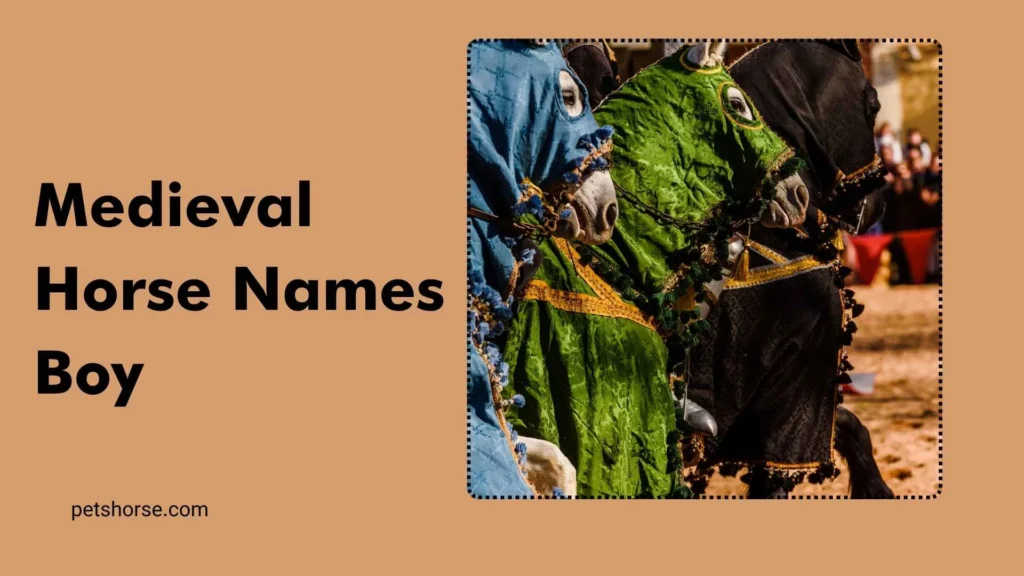
Medieval Horse Names Boy
- Aldric
- Baldwin
- Cedric
- Edmund
- Godfrey
- Harold
- Roland
- Tristan
- William
- Roderic
- Arthur
- Alaric
- Oswin
- Geoffrey
- Henry
- Richard
- Reynard
- Leofric
- Alfred
- Edwin
Knight Horse Names
- Knightfall
- Sir Roland
- Gallant
- Crusader
- Banner
- Valor
- Shield
- Lance
- Squire
- Champion
- Sentinel
- Guardian
- Black Knight
- Silver Lance
- Storm Knight
- Noble Guard
- Iron Shield
- Royal Knight
- Knight’s Pride
- Golden Champion
Medieval Names
- Aldric
- Alaric
- Arthur
- Edmund
- Geoffrey
- Henry
- Richard
- Roland
- Tristan
- William
- Oswin
- Leofric
- Matilda
- Eleanor
- Adelaide
- Isabella
- Rosamund
- Beatrice
- Guinevere
- Godfrey
War Horse Names
- Battleborn
- Ironhoof
- Warbringer
- Stormblade
- Thunder
- Vanguard
- Red Banner
- Steelheart
- Shieldbreaker
- Warwind
- Battlecry
- Ironmane
- Stormrider
- Warhammer
- Bloodhoof
- Braveheart
- Conqueror
- Steel Warrior
- Battle Star
- Victory
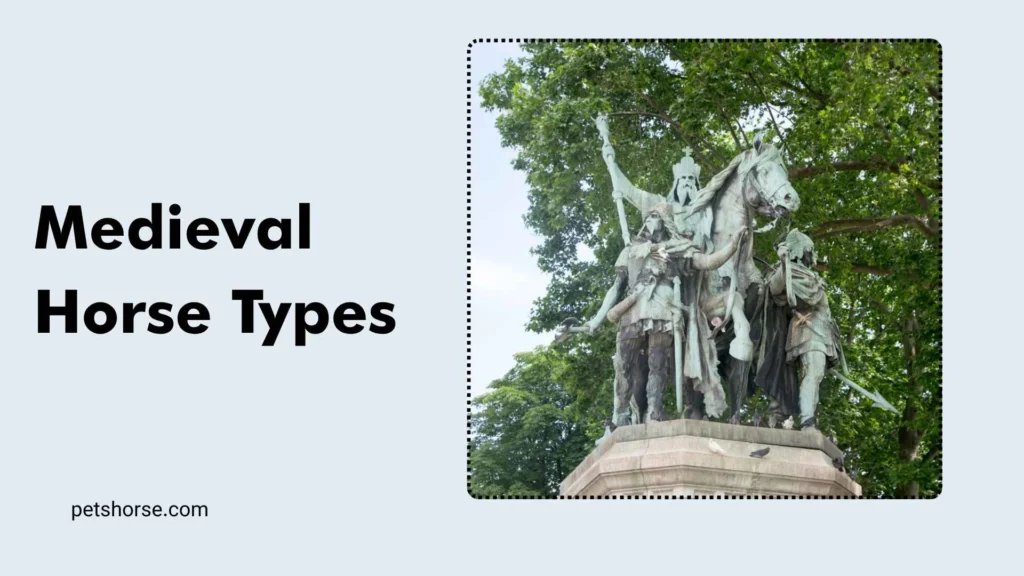
Medieval Horse Types
- Destrier
- Courser
- Rouncey
- Palfrey
- Jennet
- Charger
- Warhorse
- Riding Horse
- Pack Horse
- Cart Horse
- Great Horse
- Spanish Jennet
- Medieval Courser
- Royal Palfrey
- Knight’s Destrier
CK3 Horse Names
- Iron Crown
- Bloodmane
- Stormhoof
- King’s Fury
- Black Banner
- Warrior’s Pride
- Royal Banner
- Golden Herald
- Highborn
- Crownkeeper
- Warborn
- Iron King
- Dark Banner
- King’s Champion
- Storm King
- Noble Fury
- Castle Guard
- Crown Knight
- Royal Thunder
- King’s Shadow
Knight Horse Names
- Valor
- Gallant
- Lance
- Shieldbearer
- Champion
- Crusader
- Banner
- Sentinel
- Guardian
- Warrior
- Silver Sentinel
- Iron Guardian
- Black Lance
- Golden Champion
- Storm Knight
- Royal Guardian
- Noble Lance
- Knight’s Valor
- Shield Knight
- Brave Knight
Viking Horse Names
- Bjorn
- Ragnar
- Freya
- Odin
- Thor
- Skadi
- Storm
- Frost
- Raven
- Valhalla
- Loki
- Ivar
- Leif
- Sigrid
- Astrid
- Erik
- Gunnar
- Harald
- Fenrir
- Valkyrie
Good Warhorse Names
- Valor
- Thunder
- Braveheart
- Ironhoof
- Storm
- Guardian
- Vanguard
- Champion
- Warborn
- Battle Star
- Steelheart
- Warwind
- Ironmane
- Stormhoof
- Victory
- Conqueror
- Battlecry
- Shieldbearer
- Fearless
- Warrior
Paladin Horse Names
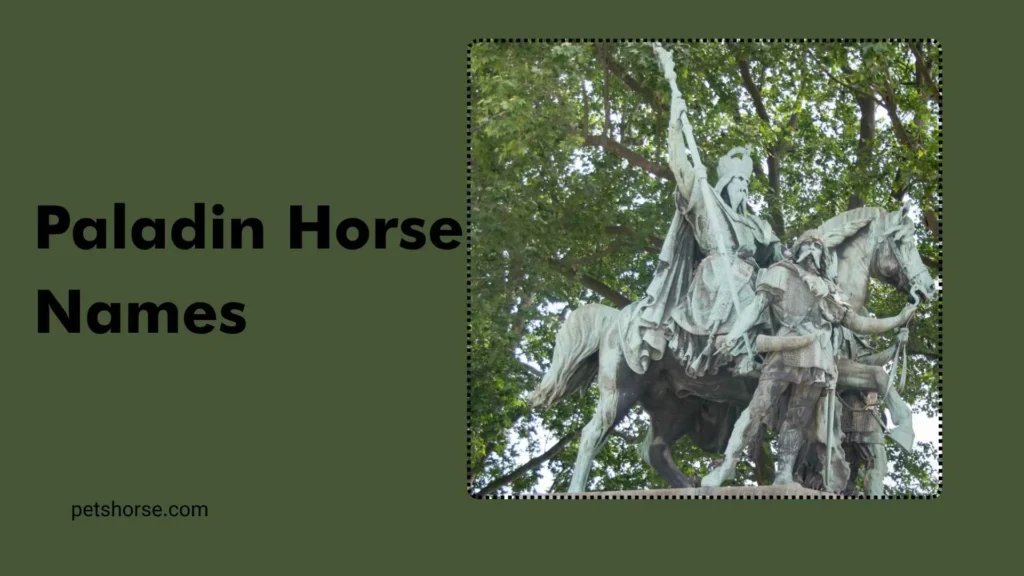
- Holy Lance
- Valor
- Radiant
- Guardian
- Faithful
- Lightbringer
- Dawnshield
- Silver Guard
- Crownkeeper
- Sacred Flame
- Holy Guardian
- Divine Shield
- Lightwarden
- Golden Guardian
- Faithbringer
- Dawn Rider
- Silver Paladin
- Noble Light
- Sacred Knight
- Radiant Shield
Charlemagne Horse Name
- Veillantif
- Veillantin
- Carolus
- Charlemagne
- Frank
- Emperor
- Imperial
- Aachen
- Paladin
- Crown
- Royal Frank
- Golden Emperor
- Imperial Knight
- Carolingian
- King’s Banner
Attila the Hun Horse Name
- Khan
- Steppe Storm
- Hunfire
- Iron Khan
- Warwind
- Thunder Steppe
- Raven Rider
- Conqueror
- Hun Warrior
- Storm Khan
- Iron Rider
- Battle Khan
- Steppe Thunder
- Black Khan
- War Chief
- Nomad King
- Swift Khan
- Horse Lord
- Dark Rider
- Warrior Khan
Ancient Horse Name
- Achilles
- Hector
- Atlas
- Apollo
- Ares
- Orion
- Caesar
- Athena
- Sparta
- Zeus
- Hercules
- Perseus
- Leonidas
- Alexander
- Augustus
- Artemis
- Athena
- Odysseus
- Achilles
- Romulus
Horde Names
- Steppe Wind
- Golden Horde
- Iron Rider
- Wolf Rider
- Storm Khan
- Swift Arrow
- Blue Wolf
- Thunder Hoof
- Steppe Warrior
- Golden Rider
- Iron Wolf
- Horse Khan
- Wind Rider
- Black Wolf
- Storm Rider
- Wolf Khan
- Golden Warrior
- Swift Hoof
- Steppe Thunder
- Nomad Storm
Attila the Hun Horse Name
Horse Lord
Khan
Iron Khan
Hunfire
Steppe Storm
Warwind
Thunder Khan
Raven Rider
Conqueror
Storm Rider
Iron Rider
Black Khan
Warrior Khan
Steppe Warrior
Hun Warrior
Battle Khan
Nomad King
War Chief
Swift Khan
Dark Rider
Old English roots with strong warrior meanings.
Æthelstan — “Noble stone,” symbol of stability.
Wigmund — “War protection,” ideal for battle horses.
Eadric — “Wealth ruler,” noble prosperity.
Beorn — “Warrior,” symbol of bravery.
Wistan — “Battle stone,” strong defensive meaning.
Leofwine — “Dear friend,” loyal companion.
Osric — “Divine ruler,” noble authority.
Godric — “God’s ruler,” spiritual protection.
Wulfstan — “Wolf stone,” fierce strength.
Aelfric — “Elf ruler,” mystical warrior energy.
Hereward — “Army guardian,” protector in battle.
Cyneheard — “Royal brave,” royal courage.
Ethelred — “Noble counsel,” wise leadership.
Sigeberht — “Bright victory,” triumphant spirit.
Wulfgar — “Wolf spear,” aggressive strength.
Eadwine — “Rich friend,” loyal and prosperous.
Hengist — Legendary Saxon leader.
Horsa — Meaning “horse,” directly equine-linked.
Beorhtwold — “Bright ruler,” noble leadership.
Ceolwulf — “Ship wolf,” adventurous warrior.
Dark Medieval Horse Names
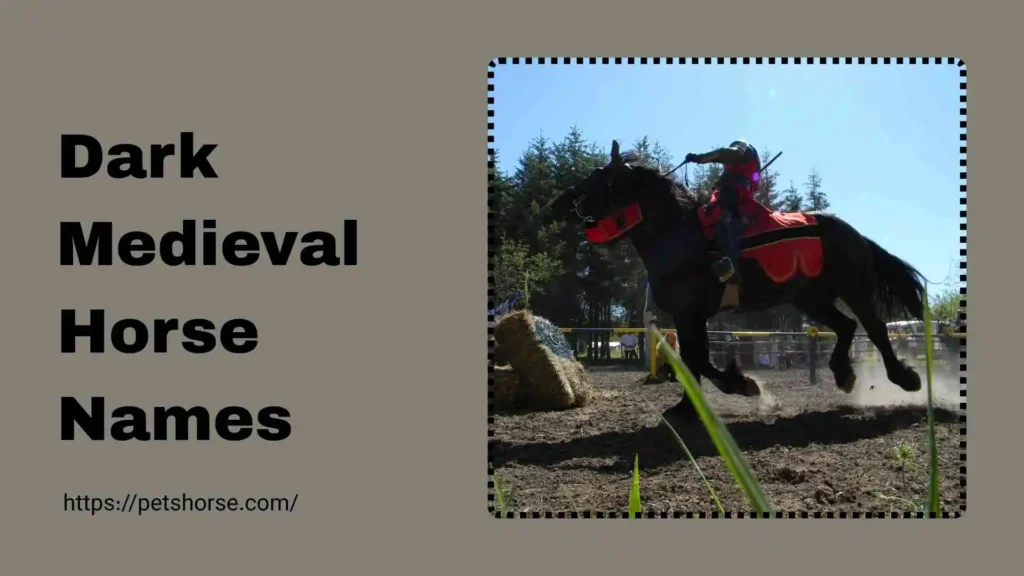
Perfect for black horses or mysterious personalities.
Noctis — Latin for “night,” symbol of darkness.
Umbra — “Shadow,” representing mystery.
Ravenor — Inspired by ravens, omen of fate.
Draven — Dark warrior energy, fierce and bold.
Mortis — “Death,” symbol of fear and power.
Erebus — Greek darkness deity.
Vesper — Evening star, calm darkness.
Shadeclaw — Symbolic of stealth and agility.
Blackthorn — Thorny dark tree, protective symbolism.
Grimwald — “Dark forest ruler.”
Nightfall — Transition into mystery and power.
Duskbane — Slayer of light, symbolic strength.
Obsidian — Volcanic glass, sharp and powerful.
Onyx — Black gemstone, elegance and strength.
Silas — “Man of the forest,” mysterious tone.
Corvus — Raven constellation.
Tenebris — Latin for darkness.
Bram — Short for Bramble, wild strength.
Sable — Black fur, elegance and depth.
Nyxen — Derived from night goddess Nyx.
Gloomspire — Tower of darkness, fantasy tone.
White Medieval Horse Names
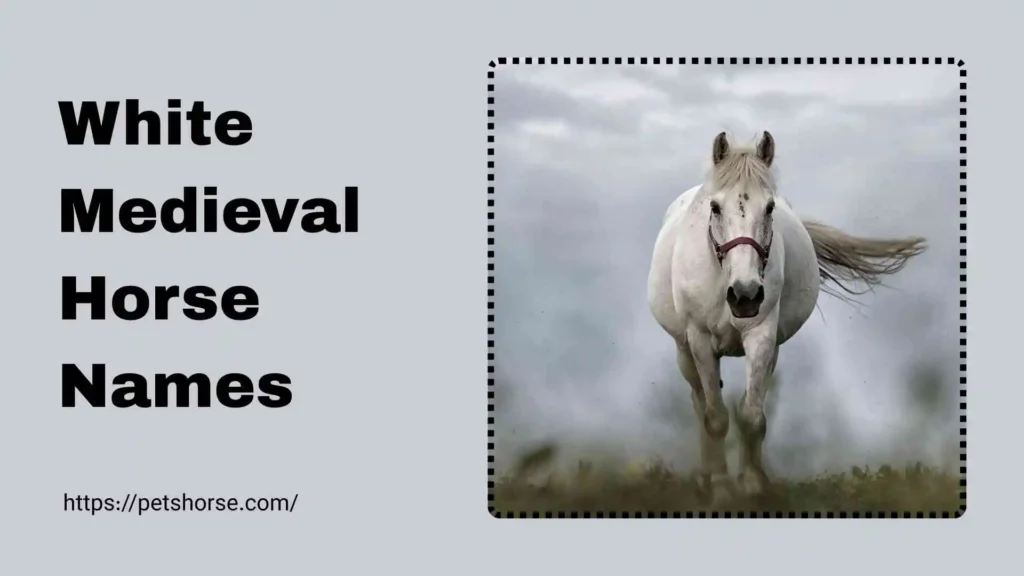
Symbolizing purity, nobility, and divine favor.
Albion — Ancient name for Britain, “white land.”
Caelum — Latin for “sky,” heavenly symbolism.
Frosthelm — Ice-covered warrior imagery.
Snowmere — Pure snowy waters.
Ivory — Precious white material, elegance.
Glacier — Massive ice strength.
Lumen — Light and purity.
Eirwyn — Welsh for “white snow.”
Whitestone — Pure strength and stability.
Solstice — Seasonal divine balance.
Arcticus — Northern cold symbolism.
Moonveil — Mystical moonlight covering.
Pearl — Precious ocean gem.
Starlight — Cosmic purity and brilliance.
Winterborn — Born of winter strength.
Cloudrest — Peaceful sky imagery.
Snowfall — Gentle yet powerful nature.
Doveheart — Peace and purity.
Hallowed — Sacred divine blessing.
Silvershade — Reflective elegance.
Personality-Based Medieval Horse Names
Fast Horses
Swiftblade — Speed and sharp movement.
Windrider — Riding like the wind itself.
Fleetmark — Known for unmatched speed.
Arrowstorm — Fast like arrows in battle.
Stormdash — Powerful rapid movement.
Brave Horses
Valorin — Derived from valor and courage.
Ironhoof — Unbreakable strength in battle.
Bravemarch — Fearless forward movement.
Warheart — Spirit of a fighter.
Defiant — Never backing down.
Loyal Horses
Faithborne — Born of loyalty.
Truebond — Deep connection with rider.
Steadfast — Never wavering.
Oathkeeper — Protector of promises.
Loyalis — Pure loyalty essence.
Famous Medieval-Inspired Horse Naming Influence
Historically inspired horses include legendary war steeds of knights and kings. Horses like Charlemagne’s mounts or Arthurian legends symbolize loyalty, divine destiny, and battlefield glory. In literature, horses often represented the soul of a knight—noble, fearless, and eternal.
Expert Tips For Choosing Medieval Horse Names
- Match name tone with horse temperament
- Prefer short names for training efficiency
- Avoid overly complex pronunciation
- Use historical or mythological consistency
- Ensure uniqueness for competition registration
- Consider long-term identity and branding
Common Horse Naming Mistakes
- Choosing overly complicated names
- Ignoring horse personality
- Using trendy but meaningless words
- Not considering pronunciation in training
- Copying famous names without adaptation
Final Horse Name Checklist
✓ Easy to pronounce
✓ Historically or symbolically meaningful
✓ Matches horse appearance
✓ Reflects personality
✓ Memorable and unique
✓ Suitable for competitions
✓ Emotionally resonant
FAQ: Medieval Horse Names
What are the most popular medieval horse names?
Names like Roland, Aldric, William, and Epona are popular due to their historical and mythological roots.
How do medieval horses get their names?
They were named based on role, strength, color, or noble symbolism.
What are strong medieval horse names?
Wulfric, Godfrey, Ironhoof, and Valorin represent strength and courage.
What are elegant medieval horse names?
Selene, Albion, Moonveil, and Ivory reflect elegance and purity.
Can horses have mythological medieval names?
Yes, mythological names like Thor, Phoenix, and Griffin are widely used.
Conclusion
Medieval horse names are more than labels—they are powerful symbols of history, mythology, and identity. If you choose a knight-inspired name, a Celtic warrior title, or a mystical fantasy name, the right choice will reflect your horse’s spirit, strength, and beauty. A meaningful name builds a lasting bond between horse and rider, echoing the legacy of medieval times into the modern world.Choose wisely, and let your horse carry a name worthy of legend.

 Sophia Bennett