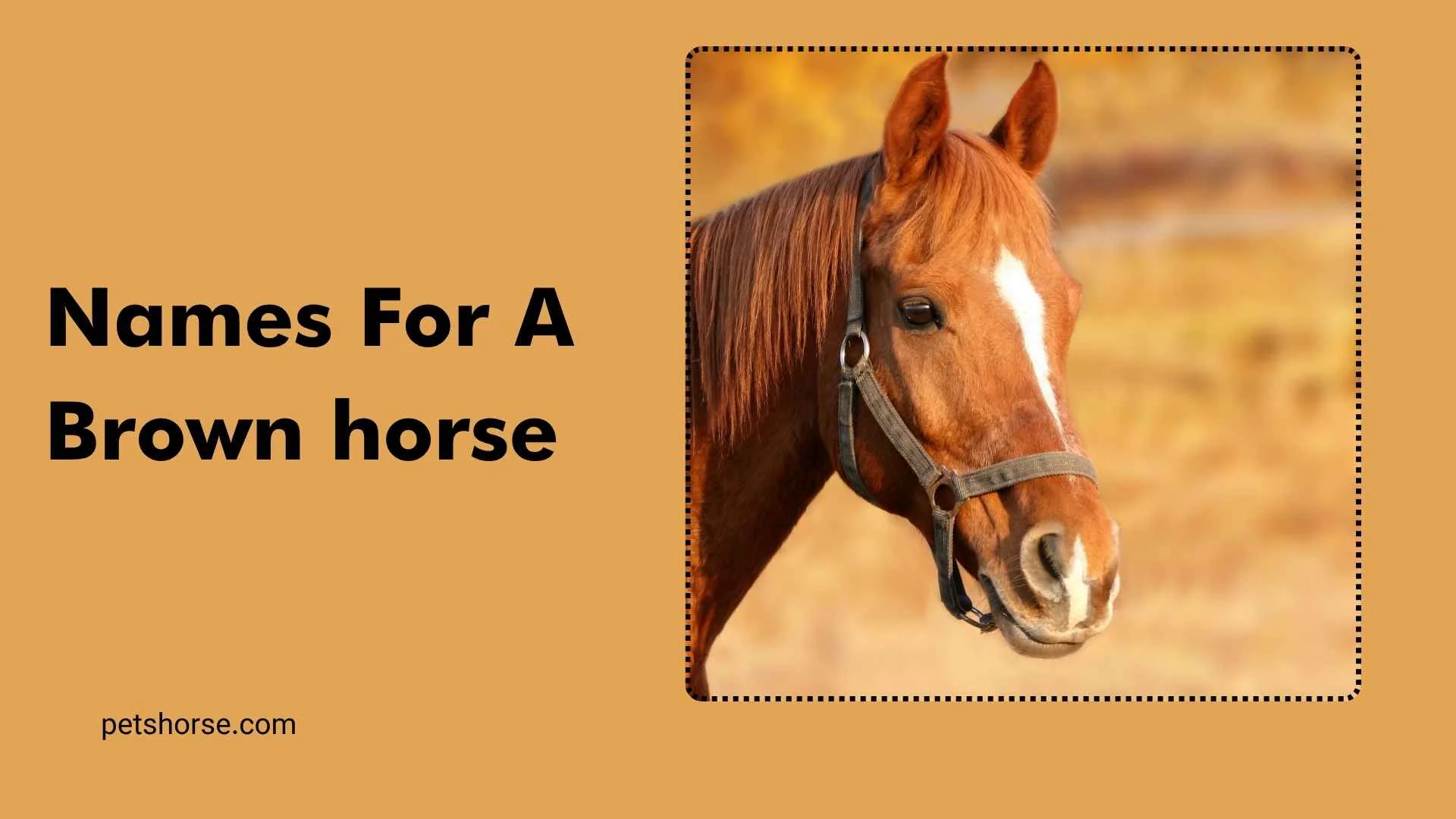
Choosing a name for your brown horse is more than a simple label it is an exercise in capturing their spirit, their rich coat color, and their unique place in your life. Whether your companion is a deep, dark bay, a warm, earthy chestnut, or a soft, sandy buckskin, their name should be as timeless as the bond you share.
This guide is designed to help you navigate the artistry of naming, moving beyond simple lists to provide the history, symbolism, and cultural depth behind hundreds of carefully curated names.
What Are The Best Names for a Brown Horse?
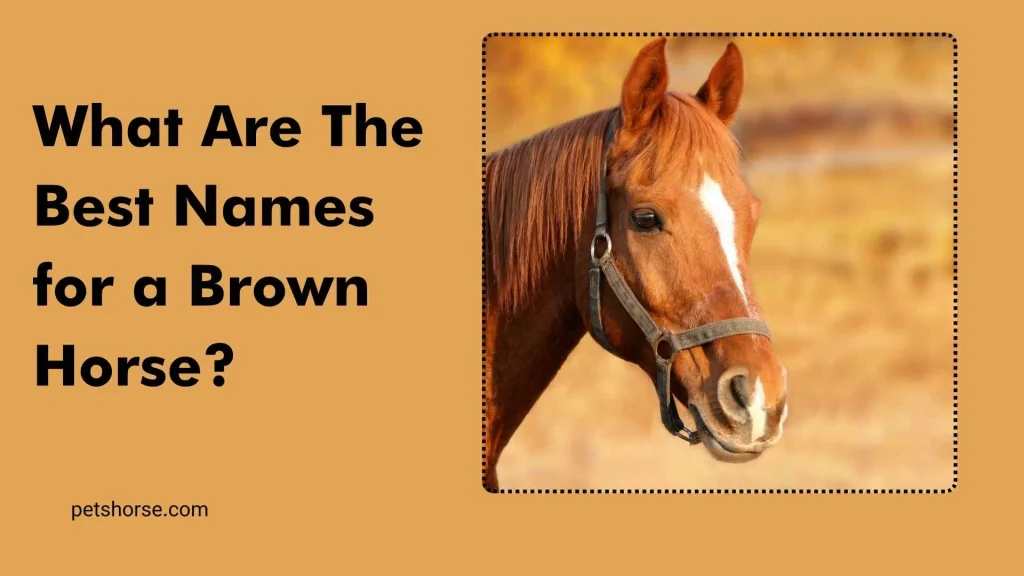
The best names for a brown horse often draw inspiration from the earth, autumn, culinary delights, or symbols of endurance. Cocoa, Hazel, Rusty, Sienna, and Timber are exceptional choices because they evoke the warmth and grounding energy characteristic of brown-coated horses. The “perfect” name balances phonetics—ideally one or two syllables—with a meaning that resonates with your horse’s specific personality.
How Do You Choose the Perfect Horse Name?
- Observe Personality: Is your horse bold and spirited, or calm and steady?
- Analyze Tone: Say the name out loud. Does it sound like a command (e.g., “Whoa”)? Avoid names that may confuse training.
- Check Registry Rules: If naming for a competition, ensure the name fits character limits and lacks trademarked terms.
- Test It: Call the name while at the pasture. Does it have a crisp sound that travels well?
- Reflect Heritage: Consider the breed’s origins or your personal favorite cultural influences.
The Horse Naming Guide: Art & Science
Naming a horse is a tradition that spans thousands of years, from the legendary Bucephalus (Alexander the Great’s steed) to modern-day equine athletes.
- Stable Names vs. Registered Names: Your horse will likely have two identities. The stable name is their “at-home” identity—short, affectionate, and easy to yell across a field. The registered name is their formal title used in competitions, breeding, and official records. It is often longer and more sophisticated.
Sell Your Horse - The Power of Sound: Research suggests horses respond best to names with distinct, sharp consonants and one or two syllables. They are sensitive to your tone and the rhythmic sound of your voice rather than the semantic meaning of the name.
Nature-Inspired Names for Brown Horses
These names celebrate the raw beauty of the earth and the shifting seasons.
| Name | Meaning / Origin |
| Amber | A fossilized tree resin; represents warmth and golden-brown hues. |
| Bramble | A wild, prickly shrub; signifies a rugged, earthy nature. |
| Cedar | A strong, aromatic wood; symbolizes endurance and strength. |
| Clay | Earthy, pliable material; denotes a grounded and steady temperament. |
| Clove | A warm spice; implies a sharp, sweet personality. |
| Fawn | A young deer; signifies softness, grace, and light-brown coloring. |
| Hazel | Named after the tree; symbolizes wisdom and protection. |
| Maple | A tree known for autumn beauty; reflects rich, reddish-brown tones. |
| Oakley | Derived from an oak meadow; conveys reliability and longevity. |
| Russet | A deep reddish-brown color; suggests a rustic, classic appearance. |
| Sierra | Spanish for mountain range; evokes adventure and grand landscapes. |
| Terra | Latin for earth; symbolizes a deep, foundational connection. |
| Timber | Wood prepared for use; suggests a sturdy, dependable build. |
Culinary-Inspired Brown Horse Names
Brown hues often remind us of comfort, richness, and sweetness.
- Mocha: A blend of coffee and chocolate; perfect for a horse with a dark, smooth coat.
Farm House Tack - Hershey: Inspired by the iconic chocolate; a classic, sweet, and recognizable choice.
- Nutmeg: A warm, fragrant spice; suits a smaller, energetic horse.
- Truffle: A rare, prized fungus; suggests a sophisticated, deep-brown horse.
- Cinnamon: A warm, spicy scent; ideal for a chestnut-brown horse with a fiery personality.
Texan Saddles - Brandy: A rich, amber-colored spirit; evokes a sense of maturity and depth.
- Whiskey: A nod to the golden-brown drink; great for a spirited, bold horse.
Strong & Powerful Names for Brown Horses
If your horse is a natural leader or a formidable athlete, these names command respect.
- Titan: Referring to the powerful giants of Greek mythology; implies massive size and presence.
YouTube - Major: A military rank; suggests authority, discipline, and leadership.
Chewy - Diesel: Represents raw, industrial power; perfect for a workhorse or a strong draft breed.
- Goliath: Famous for his size; a name that signals you shouldn’t underestimate this horse.
- Thunder: Evokes the rolling power of a storm; ideal for a horse with a ground-shaking stride.
Elegant & Royal Names
For the horse that moves with grace and possesses an undeniable “show” presence.
- Duchess: A noble title; fits a mare with an aristocratic, refined gait.
Farmshare - Marquis: A rank of nobility; perfect for a stallion with a regal bearing.
- Versailles: Named after the French palace; denotes extreme luxury and high society.
- Celestia: Meaning “heavenly”; suggests an ethereal, high-quality movement.
Farmshare - Juliet: Classical, romantic, and beautiful; a name that never goes out of style.
Horse Illustrated
Expert Tips for Choosing the Perfect Name

- Avoid “Command” Confusion: Never choose a name that sounds like “Whoa,” “Walk,” or “Trot.”
- Check Availability: If registering, use breed association databases to ensure your chosen name isn’t already taken or restricted.
- Think Long-Term: A cute foal name might not suit a powerful, full-grown stallion or mare. Choose a name that ages well.
- Family Approval: Since horses are often family members, ensure the name is something everyone feels comfortable calling out at the barn.
Common Horse Naming Mistakes
- Over-Complication: Using names with more than three syllables often leads to nicknames anyway.
- Ignoring Personality: Giving a “strong” name to a gentle horse can feel disconnected. Watch them for a week before deciding.
- Trend-Chasing: Avoid naming your horse after a passing fad; their name needs to stay relevant for 20+ years.
Final Horse Name Checklist
Before settling on your choice, run it through this quick evaluation:
- [ ] Easy to pronounce (one or two syllables).
- [ ] Matches personality (does it fit their “vibe”?).
- [ ] Fits appearance (does it complement the brown coat?).
- [ ] Memorable (unique, not the fifth “Brownie” in the barn).
- [ ] Meaningful (a story behind the name is always better).
- [ ] Competition-ready (professional and respectful).
Frequently Asked Questions (FAQ)
1. What are the most popular names for a brown horse? Cocoa, Rusty, Hazel, and Mocha remain perennial favorites due to their direct connection to brown tones and natural appeal.
2. How do racehorses get their names? Registered racehorse names must be unique, under 18 characters, and follow strict guidelines set by bodies like the Jockey Club, often reflecting bloodlines or owner preferences.
Just Horse Riders
3. What are some unique names for a brown horse? Consider names like Umber, Sepia, Mahogany, or Tawny for a more distinct, sophisticated flair.
4. Can I change my horse’s name? Yes, but it is often considered bad luck in equestrian circles. If you do, ensure you update all formal records and passports.
5. How do I know if a horse likes their name? Horses are highly responsive to the tone and frequency of your voice. If their ears prick up and they turn toward you when you say it, you’ve found the right match.
6. Should I pick a short or long name? Keep it short for the barn name (everyday use) and save the lengthier, creative names for their official registered paperwork.
7. Are there specific names for different shades of brown? Yes—use Chestnut for reddish-browns, Coffee for deep dark browns, and Buckskin or Dun for lighter, sandy browns.
8. What if my horse is a specific breed like a Quarter Horse? Quarter Horses often carry “Western-style” names like Canyon, Bandit, or Dakota that reflect their working-ranch heritage.
9. Can I use a name that sounds like a command? No, it is highly discouraged. Names like “Joe” (sounds like “Whoa”) will confuse your horse during training sessions.
10. Do horses know their names? While researchers debate if they understand the concept of a name, they definitely recognize the unique acoustic frequency and associated cues of their primary caregiver’s voice.
Conclusion
Your horse’s name is the beginning of a lifelong conversation. Whether you choose a name that highlights their rich, chocolatey coat or one that honors their indomitable strength, ensure it is a name you enjoy saying every single day. By selecting a name with historical resonance or personal significance, you solidify the bond between human and animal, creating an identity that will stand the test of time. Take your time, observe their unique quirks, and choose a name that makes your horse feel like the only one in the world.